Performance Marketing for Shopify: How to Achieve 3X+ ROAS in 2026
Learn the exact performance marketing framework that delivers 3X+ ROAS for Shopify stores. Meta Ads, Google Ads, creative strategy, and scaling tactics for Indian D2C brands in 2026.

The Problem: Most Shopify Brands Waste 40-60% of Ad Spend
Here's a harsh truth: Most Indian D2C brands are burning money on ads.
They run campaigns without proper structure. They use the same 3 creatives for months. They optimize for vanity metrics (clicks, impressions) instead of profit. And their tracking is broken post-iOS 14.
The result? ₹1 in ad spend generates ₹1.50 in revenue — barely covering product costs, shipping, and returns.
At Akestech Infotech, we've managed ₹50Cr+ in ad spend for 200+ Shopify stores. Our average ROAS? 3X+. Not because we're magicians, but because we follow a systematic framework that eliminates waste and maximizes profitable revenue.
Case Study: How we scaled a D2C fashion brand from 1.2X to 3.8X ROAS in 60 days by overhauling campaign structure and implementing a creative-first strategy. Read the full story →
The Akestech Performance Marketing Framework
Phase 1: Audit (Days 1-7)
Before touching a single campaign, we conduct a comprehensive audit:
- Ad Account Review: Campaign structure, audience overlap, budget allocation
- Tracking Health: Meta CAPI setup, Google Enhanced Conversions, UTM framework
- Creative Performance: Top/bottom performers, fatigue indicators, testing gaps
- Funnel Analysis: Landing page performance, checkout flow, conversion leaks
- Competitor Benchmarking: What's working for similar brands in your category
Phase 2: Strategy (Days 7-14)
Based on audit findings, we build a custom media plan:
- Budget Allocation: Prospecting (60%), Retargeting (25%), Retention (15%)
- Channel Mix: Meta vs. Google split based on your category and audience
- Creative Roadmap: 15+ new creatives per month with testing framework
- KPI Targets: ROAS, CPA, CAC, and contribution margin goals
- 90-Day Scaling Plan: Budget increases tied to performance milestones
Phase 3: Build (Days 14-21)
Technical foundation and campaign setup:
- Tracking Implementation: Meta CAPI, Google Enhanced Conversions, server-side tracking
- Campaign Architecture: Structured campaigns with clear objectives
- Audience Building: Lookalikes, custom audiences, exclusion lists
- Creative Production: First batch of UGC, static, and video creatives
- Landing Page Optimization: Ensure your store converts the traffic
Phase 4: Optimize (Days 21-90)
Daily optimization for continuous improvement:
- Bid Management: Adjust bids based on ROAS and CPA targets
- Creative Testing: A/B test hooks, formats, and audiences
- Budget Reallocation: Shift spend to top performers
- Audience Refinement: Expand winning audiences, pause underperformers
- Weekly Reporting: Transparent metrics with actionable insights
Phase 5: Scale (Day 60+)
Systematic scaling while maintaining ROAS:
- Budget Scaling: Increase spend by 20-30% every 7-10 days on winners
- Channel Expansion: Add YouTube, Performance Max, or Pinterest
- Creative Scaling: Double down on winning hooks and formats
- Audience Expansion: Broad targeting with Advantage+ campaigns
- Retention Focus: Increase LTV through email and WhatsApp automation
Meta Ads: The D2C Growth Engine
Meta (Facebook + Instagram) remains the #1 channel for D2C customer acquisition in India. Here's how to structure campaigns for maximum ROAS:
Campaign Structure That Works:
1. Prospecting Campaigns (60% of budget)
- Advantage+ Shopping: Let Meta's AI find buyers (works surprisingly well)
- Interest-Based: Target specific interests relevant to your product
- Lookalike: 1-3% lookalikes from purchasers, not just visitors
- Creative Testing: Dedicated campaign for testing new creatives
2. Retargeting Campaigns (25% of budget)
- Website Visitors: 7-14 day window (exclude purchasers)
- Add-to-Cart: High-intent audience with dynamic product ads
- Video Viewers: 50%+ video views retargeted with conversion ads
- Engagement: Instagram/Facebook engagers from last 30 days
3. Retention Campaigns (15% of budget)
- Existing Customers: New launches, upsells, cross-sells
- Lookalike of Repeat Buyers: Find more high-LTV customers
- Win-Back: Dormant customers (90+ days since purchase)
Creative Best Practices for Meta Ads:
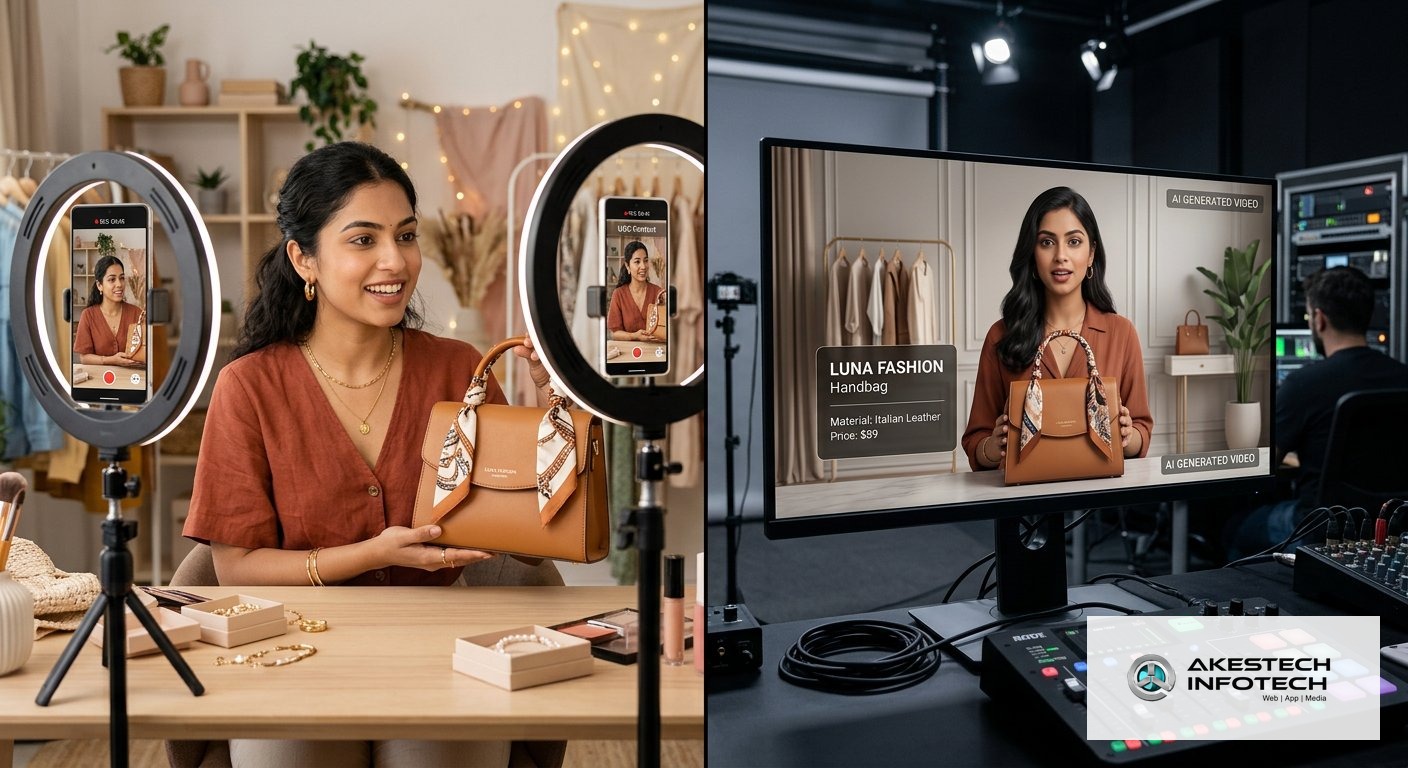
- Lead with UGC (user-generated content) — it outperforms polished content 3:1
- Hook viewers in first 3 seconds (problem statement or bold claim)
- Show product in use, not just product shots
- Include social proof (reviews, ratings, "10,000+ sold")
- Test both short (15s) and long (60s) video formats
Pro Tip: Combine Meta Ads with WhatsApp cart recovery for 15-20% higher ROAS. Customers who don't convert from ads often convert via WhatsApp follow-up.
Google Ads: Capture High-Intent Buyers
Google Ads captures customers who are actively searching for your products. Here's the optimal structure:
Google Ads Campaign Structure:
1. Google Shopping (40% of Google budget)
- Product feed optimization (titles, descriptions, images)
- Smart Shopping vs. Standard Shopping segmentation
- Negative keyword management
- ROAS-based bidding strategy
2. Performance Max (30% of Google budget)
- Asset group optimization (images, headlines, descriptions)
- Audience signals for better targeting
- Conversion tracking for accurate attribution
- Budget allocation based on asset group performance
3. Search Campaigns (20% of Google budget)
- Brand protection (bid on your brand name)
- Category keywords (high-intent search terms)
- Competitor keywords (where profitable)
- Dynamic Search Ads for long-tail coverage
4. YouTube Ads (10% of Google budget)
- Short-form video ads (15-30 seconds)
- Retargeting website visitors
- Awareness campaigns for new product launches
- In-feed ads for product discovery
Google Ads Optimization Checklist:
- Product feed optimized with keywords in titles
- Negative keywords added weekly
- Bidding strategy aligned with ROAS targets
- Landing pages match ad intent
- Conversion tracking verified and accurate
Creative Strategy: The #1 Lever for ROAS
Creative fatigue is the silent ROAS killer. Most brands run the same 3-5 ads until they stop working, then wonder why performance dropped.
The Creative Testing Framework:
Monthly Creative Production (15+ per month):
- 5-7 UGC-style videos (customer testimonials, unboxing, demos)
- 3-5 static images (lifestyle, product-focused, problem-solution)
- 2-3 motion graphics (animated product features, comparisons)
- 1-2 long-form videos (detailed product reviews, founder story)
Creative Testing Process:
- Hypothesis: What angle/hook are we testing?
- Production: Create 2-3 variations of each concept
- Test: Run at ₹500-1,000/day for 3-5 days
- Analyze: Check thumb-stop ratio, CTR, and CPA
- Scale: Double budget on winners, kill losers
- Iterate: Build new variations based on learnings
Winning Creative Hooks for D2C:
- Problem → Solution (show the pain point first)
- Social Proof ("10,000+ happy customers")
- Before/After (transformation stories)
- Founder Story (builds trust and connection)
- Comparison (your product vs. alternatives)
- Tutorial (how to use your product)
Case Study: How we achieved 4.5X ROAS for a premium women's apparel brand using a creative-first approach with UGC and lifestyle content. Read more →
Tracking & Attribution: The Foundation of Scaling
Post-iOS 14, most Indian brands are flying blind. Without proper tracking, you're making scaling decisions based on bad data.
Essential Tracking Setup:
1. Meta CAPI (Conversions API)
- Server-side tracking that bypasses browser limitations
- Sends conversion data directly from Shopify to Meta
- Improves match rate by 30-40%
- Essential for accurate ROAS measurement
2. Google Enhanced Conversions
- Captures hashed customer data for better attribution
- Recovers conversions lost to cookie restrictions
- Improves Smart Bidding performance
3. GA4 + Enhanced Ecommerce
- Full funnel visibility from session to purchase
- Custom events for micro-conversions
- Audience building for remarketing
4. UTM Framework
- Consistent tagging across all campaigns
- Source, medium, campaign, content parameters
- Enables accurate attribution in GA4 and Shopify
5. Multi-Touch Attribution
- Understand the full customer journey
- First-click vs. last-click vs. data-driven models
- Allocate budget based on true channel contribution
Monthly Attribution Health Check:
- Compare Meta-reported vs. Shopify-reported revenue
- Verify server-side tracking is firing correctly
- Check for duplicate conversion tracking
- Review UTM consistency across campaigns
Attribution Impact: Brands with proper tracking scale 2-3X faster because they invest with confidence. Get your tracking audited →
Scaling Profitably: From ₹1L to ₹50L+/Month
Scaling isn't just "increasing budgets." It's systematic expansion while maintaining ROAS targets.
The Scaling Rules:
- Scale Winners, Not Campaigns: Increase budget on ad sets, not entire campaigns
- 20-30% Budget Increase: Every 7-10 days on winning ad sets
- Creative Refresh: New creatives every 2-3 weeks to prevent fatigue
- Audience Expansion: Gradually increase lookalike percentages (1% → 3% → 5%)
- Channel Diversification: Add Google when Meta is profitable, not before
Scaling Milestones:
| Monthly Ad Spend | Focus | Expected ROAS |
|---|---|---|
| ₹1-3L | Testing & Learning | 2-2.5X |
| ₹3-10L | Optimization | 2.5-3X |
| ₹10-20L | Scaling Winners | 3-3.5X |
| ₹20-50L | Channel Expansion | 3-4X |
| ₹50L+ | Full-Funnel Domination | 3.5-5X |
Common Scaling Mistakes:
- Scaling too fast (2X budget overnight kills performance)
- Ignoring creative fatigue (same ads for 3+ months)
- Not expanding channels (100% Meta dependency)
- Scaling before CRO is fixed (waste traffic on leaky store)
- No retention strategy (acquiring customers you can't keep)
Why Most Agencies Fail at Performance Marketing
Red Flags to Watch For:
- They optimize for clicks, not revenue
- No server-side tracking setup
- Same creative strategy for months
- No CRO recommendations (blame "the landing page")
- Junior executives managing your account
- No transparent reporting
What Good Looks Like:
- Profit-first optimization (contribution margin focus)
- Server-side tracking from day one
- 15+ new creatives monthly
- Integrated CRO and WhatsApp automation
- Senior specialists with ₹10Cr+ managed spend
- Weekly reporting with full transparency
At Akestech Infotech, we combine performance marketing with WhatsApp automation and store optimization for a full-stack approach. This is why our clients see 3X+ ROAS on average.
Ready to Stop Burning Ad Budget?
Your Shopify store deserves a performance marketing partner that treats your money like their own.
Get a Free Ad Account Audit:
Our team will analyze your ad account, tracking, creatives, and funnel — then deliver a custom roadmap for 3X+ ROAS.
See Real Results:
- How Brand X achieved 3.5X ROAS →
- How we scaled from 1.2X to 3.8X ROAS in 60 days →
- How a women's apparel brand hit 4.5X ROAS →
Explore our performance marketing services →